Eid is a special occasion for dressing up, but choosing the right outfit for a girl can be surprisingly difficult. Parents usually want something that looks festive without being uncomfortable, overly heavy, or difficult to manage throughout the day. The best choice depends on age, weather, family plans, and the type of Eid gathering. 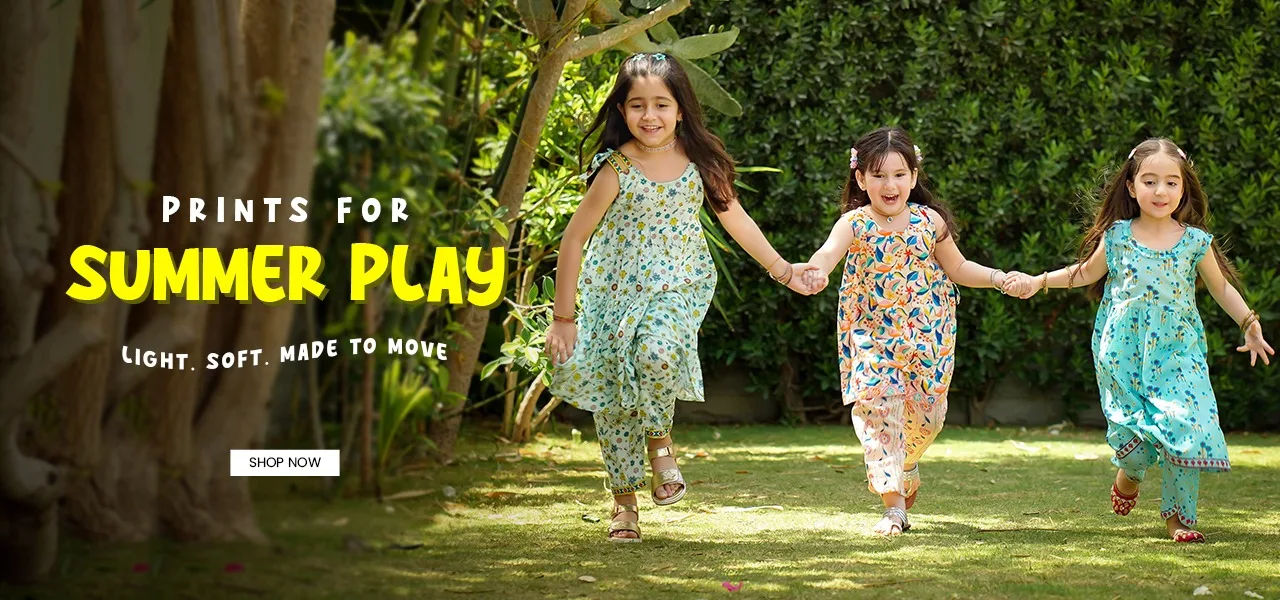 For many families, traditional clothing remains the natural choice because it combines cultural style with the cheerful character of Eid.
There are many types of girls pakistani clothes available, ranging from simple embroidered suits to colorful frocks, ghararas, shararas, and beautifully detailed three-piece outfits.
The right outfit should feel festive while still allowing a child to move, sit, play, eat, and visit relatives comfortably. Fabric, embroidery, color, fitting, and accessories all matter when putting together an Eid look.
Choosing an Eid Outfit Based on Age
Age is one of the most useful factors when selecting traditional clothing for Eid. A design that looks wonderful on a teenager may not be practical for a younger child.
Clothes for Toddlers
Toddlers generally need soft, lightweight clothing. They spend much of the day moving around, so stiff fabrics and excessive decoration can quickly become uncomfortable.
A simple cotton or lawn outfit with delicate embroidery can work well. A short frock with trousers or a loose shalwar kameez can provide a traditional appearance without restricting movement.
Parents should also check the inside of the outfit. Embroidery, sequins, hooks, and rough stitching can irritate sensitive skin.
Clothes for Young Girls
Young girls have more options. They can wear embroidered lawn suits, colorful frocks, peplum shirts, ghararas, or traditional shalwar kameez designs.
Bright colors often work particularly well for Eid. Pink, yellow, turquoise, green, coral, lavender, and peach can create a cheerful appearance.
However, color should not be the only consideration. The child should be comfortable wearing the outfit for several hours.
Clothes for Teenagers
Teenage girls can experiment more with cuts and styling. Long shirts with trousers, straight kameez designs, embroidered three-piece suits, shararas, and contemporary traditional outfits are all suitable possibilities.
Teenagers may also prefer more sophisticated colors such as emerald, navy, maroon, ivory, dusty pink, or deep purple.
The key is to choose an outfit that reflects the girl's personal style while maintaining the traditional character of Eid clothing.
Lawn Suits for a Comfortable Eid
Lawn is one of the most practical choices for warm-weather Eid celebrations. The fabric is lightweight and generally comfortable in hot conditions.
A printed lawn suit can be dressed up with embroidered details around the neckline, sleeves, or hem. This creates a festive appearance without making the entire outfit heavily decorated.
For daytime visits, pastel lawn suits can look particularly fresh. Small floral prints, delicate borders, and light embroidery can give the outfit an elegant appearance.
Cotton is another useful option when comfort is the priority. It can be especially practical for younger girls who may spend much of Eid playing or moving between different homes.
Frocks for a Festive Look
Frocks remain popular because they offer a playful and traditionally festive appearance.
For younger girls, a frock can be paired with trousers, tights, or a churidar depending on the design. Embroidered necklines and decorative borders can add enough detail for Eid without requiring excessive accessories.
Longer frocks can create a more formal appearance. Shorter styles are often easier for active children to manage.
When selecting a decorated frock, consider the weight of the embellishments. A garment covered with heavy sequins may look attractive on a hanger but become tiring after several hours.
Gharara and Sharara Outfits
Ghararas and shararas are excellent choices for girls who want a more traditional and celebratory outfit.
These styles can feature wide-leg trousers with a shorter or medium-length shirt. Decorative borders, lace, embroidery, and contrasting fabrics can make the outfit look especially festive.
For Eid morning, a colorful gharara with a matching dupatta can create a classic appearance. Teenagers may prefer more refined combinations with subtle embroidery and coordinated accessories.
The waistband deserves attention when purchasing these outfits. It should be secure but not excessively tight.
Traditional Shalwar Kameez
The shalwar kameez is one of the most versatile choices for Eid. It can be made casual or highly festive depending on the fabric and decoration.
A simple kameez with printed trousers can work for smaller family gatherings. For a more formal Eid visit, embroidered fabric, decorative sleeves, a detailed neckline, and a matching dupatta can elevate the outfit.
The advantage of this style is flexibility. It can be adjusted according to age, weather, and personal preference.
Parents can also choose a simpler outfit and add a decorative dupatta or traditional footwear rather than purchasing an extremely embellished dress.
Choosing the Right Fabric for Eid
Fabric has a direct effect on comfort. Eid celebrations can involve hours of sitting, walking, eating, traveling, and visiting relatives.
Lawn and Cotton
Lawn and cotton are particularly useful in warm weather. They are lightweight and suitable for daytime celebrations.
These fabrics also offer many printing and embroidery possibilities, making it easy to create a festive appearance without adding excessive weight.
Chiffon and Organza
Chiffon and organza can provide a more formal appearance. They are often used for dupattas, sleeves, overlays, and decorative sections.
For children, these fabrics are usually more practical when combined with a comfortable inner layer rather than used extensively throughout the outfit.
Silk and Heavier Fabrics
Silk and heavier materials can work for evening gatherings or cooler weather. They create a polished appearance but may not be comfortable in hot temperatures.
If using a heavier fabric, keeping the design relatively simple can prevent the outfit from becoming unnecessarily bulky.
Eid Colors That Work Well
Color can completely change the personality of an Eid outfit.
Pastel shades such as mint, peach, powder blue, lavender, and soft pink create a gentle appearance. They are particularly suitable for daytime gatherings.
Brighter shades such as fuchsia, orange, yellow, turquoise, and green can create a more playful look for younger girls.
Deep colors such as burgundy, navy, bottle green, and plum can give teenage outfits a more mature appearance.
White and ivory are also classic choices. They can be paired with colorful embroidery, printed trousers, or a contrasting dupatta to prevent the outfit from appearing too plain.
Embroidery and Embellishment
Embroidery can make an ordinary outfit feel appropriate for Eid. However, more decoration does not necessarily mean a better outfit.
For younger children, small embroidered motifs, threadwork, lace, or a decorative neckline can be enough.
Older girls may enjoy more detailed embroidery, mirror work, sequins, pearls, or delicate beadwork.
Pay attention to the placement of embellishments. Heavy decoration around the sleeves or neckline can become uncomfortable if the child spends a long time wearing the outfit.
The inside of the garment should also be checked. Decorative stitching should not scratch the skin.
How to Choose the Right Dupatta
A dupatta can complete an Eid outfit, but it should be appropriate for the girl's age and activities.
Very young children may not need a dupatta at all. A lightweight scarf can create the same visual effect without becoming difficult to manage.
Older girls can wear a chiffon, organza, lawn, or cotton dupatta depending on the outfit.
A matching border can make the complete outfit look coordinated. Alternatively, a contrasting dupatta can introduce another color without requiring additional embroidery.
For active children, avoid excessively long dupattas that can drag on the ground or become caught on furniture.
Matching Outfits for Sisters
Matching Eid clothes can create a charming family look. Sisters do not necessarily need identical dresses, however.
A better approach can be using the same color family while changing the cuts. For example, a younger girl might wear a frock while an older sister wears a straight shirt and trousers in a similar shade.
Another option is matching embroidery. Different silhouettes can still look coordinated when they share the same neckline detail, border, or floral motif.
This gives each girl an individual outfit while maintaining a connected appearance.
Coordinating Clothes With Eid Accessories
Accessories should complement the clothing rather than compete with it.
Small earrings, bangles, hair clips, ribbons, or a simple bracelet can complete a girl's Eid appearance.
For younger children, lightweight accessories are usually easier to manage.
Footwear should also be practical. Traditional khussas can work beautifully with Pakistani outfits, while comfortable sandals may be better for long periods of walking.
Hair accessories can be matched to embroidery or one of the colors in the dress. This creates coordination without requiring an excessive number of accessories.
Dressing for Eid Morning
Eid morning often involves prayer, breakfast, photographs, greetings, and visits. Comfort is particularly important during this period.
A breathable outfit with moderate embroidery is often easier to wear for several hours.
If the weather is hot, avoid unnecessarily heavy layers. If Eid falls during cooler weather, a lightweight inner shirt or suitable shawl can provide additional warmth.
Clothing should also allow comfortable movement during prayer and family activities.
Dressing for Evening Gatherings
Evening celebrations provide more freedom to choose formal clothing.
Velvet, silk blends, embroidered chiffon, organza details, and darker colors can create an elegant appearance when the weather permits.
Teenagers may prefer more sophisticated cuts, while younger girls can wear colorful formal frocks or ghararas.
Lighting can also affect how colors appear. Metallic embroidery and subtle embellishments often become more noticeable during evening gatherings.
Practical Details Parents Should Check
Before buying an Eid outfit, parents should inspect more than its appearance.
Check whether the neckline is comfortable and whether the sleeves provide enough movement. Examine the waistband and make sure trousers are not too tight.
Look at the seams and stitching. Loose threads can become irritating, while poorly finished embellishments may fall off after limited use.
Buttons, hooks, and zippers should also be secure.
For younger children, consider whether they can use the bathroom easily while wearing the outfit. A beautiful dress that is difficult to manage can quickly become frustrating.
Buying Clothes That Can Be Worn Again
Children grow quickly, so an Eid outfit does not always need to be designed for one occasion only.
A moderately decorated shirt can later be worn with plain trousers. A festive frock can be used for a family celebration. A simple embroidered kameez can also become part of a regular traditional wardrobe.
This makes versatile girls pakistani clothes a practical choice for families who want value from their purchases.
Instead of choosing an outfit with extremely specific Eid decoration, consider whether its individual pieces can be mixed and matched later.
Online Shopping Considerations
Online shopping provides access to a wide variety of traditional outfits, but parents should examine measurements carefully.
Do not rely solely on age labels such as "8 years" or "10 years." Children of the same age can have very different heights and body proportions.
Compare the garment's actual measurements with clothing that already fits well.
Pay attention to fabric descriptions and product photographs. Colors can also appear slightly different depending on lighting and screen settings.
If possible, check the return and exchange policy before ordering.
Common Mistakes to Avoid
One common mistake is choosing an outfit based entirely on appearance.
A dress can look beautiful but still be too heavy, restrictive, or uncomfortable for a child.
Another mistake is buying clothing that is significantly larger in the hope that the child will grow into it. Excessively loose sleeves, trousers, or necklines can make movement difficult.
Parents should also avoid over-accessorizing. If the outfit already contains detailed embroidery, large jewelry and elaborate footwear may make the overall appearance unnecessarily busy.
Ignoring the weather is another frequent problem. Eid clothing should reflect the actual conditions rather than simply following a particular trend.
A Simple Formula for an Eid Outfit
A balanced Eid outfit usually needs three things: comfort, cultural character, and a festive detail.
For a young girl, this could mean a breathable lawn frock, comfortable trousers, simple footwear, and a small hair accessory.
For a teenager, it could mean an embroidered three-piece suit, coordinated dupatta, traditional footwear, and understated jewelry.
The exact combination can change, but the principle remains the same. The outfit should look special without making the wearer uncomfortable.
Conclusion
Choosing the right Eid clothing for a girl is ultimately about finding a balance between tradition, comfort, age, weather, and personal style. Pakistani fashion offers enough variety to meet all of these needs, whether the preference is a lightweight lawn suit, a colorful frock, a traditional shalwar kameez, or an elegant gharara.
The best girls pakistani clothes are not necessarily the most heavily decorated. A thoughtfully selected outfit can look festive through its color, embroidery, fabric, and styling while remaining comfortable throughout a long Eid celebration.
Parents should consider how the child will actually spend the day. If she will travel between relatives' homes, play with cousins, attend gatherings, and sit for several hours, mobility and breathable fabric become especially important. If the event is a formal evening gathering, richer fabrics and more detailed embroidery may make sense.
Age should guide the design as well. Toddlers need simple, soft clothing, young girls can enjoy colorful traditional designs, and teenagers can explore more sophisticated silhouettes. Accessories should complete the outfit rather than overwhelm it.
Most importantly, Eid clothing should allow girls to enjoy the celebration. A comfortable child who feels happy and confident in her outfit will naturally look more at ease in family photographs and gatherings. Whether the final choice is simple or elaborate, the most successful Eid outfit is one that combines cultural beauty with practical comfort.
Eid is a special occasion for dressing up, but choosing the right outfit for a girl can be surprisingly difficult. Parents usually want something that looks festive without being uncomfortable, overly heavy, or difficult to manage throughout the day. The best choice depends on age, weather, family plans, and the type of Eid gathering. For many families, traditional clothing remains the natural choice because it combines cultural style with the cheerful character of Eid.
There are many types of girls pakistani clothes available, ranging from simple embroidered suits to colorful frocks, ghararas, shararas, and beautifully detailed three-piece outfits.
The right outfit should feel festive while still allowing a child to move, sit, play, eat, and visit relatives comfortably. Fabric, embroidery, color, fitting, and accessories all matter when putting together an Eid look.
Choosing an Eid Outfit Based on Age
Age is one of the most useful factors when selecting traditional clothing for Eid. A design that looks wonderful on a teenager may not be practical for a younger child.
Clothes for Toddlers
Toddlers generally need soft, lightweight clothing. They spend much of the day moving around, so stiff fabrics and excessive decoration can quickly become uncomfortable.
A simple cotton or lawn outfit with delicate embroidery can work well. A short frock with trousers or a loose shalwar kameez can provide a traditional appearance without restricting movement.
Parents should also check the inside of the outfit. Embroidery, sequins, hooks, and rough stitching can irritate sensitive skin.
Clothes for Young Girls
Young girls have more options. They can wear embroidered lawn suits, colorful frocks, peplum shirts, ghararas, or traditional shalwar kameez designs.
Bright colors often work particularly well for Eid. Pink, yellow, turquoise, green, coral, lavender, and peach can create a cheerful appearance.
However, color should not be the only consideration. The child should be comfortable wearing the outfit for several hours.
Clothes for Teenagers
Teenage girls can experiment more with cuts and styling. Long shirts with trousers, straight kameez designs, embroidered three-piece suits, shararas, and contemporary traditional outfits are all suitable possibilities.
Teenagers may also prefer more sophisticated colors such as emerald, navy, maroon, ivory, dusty pink, or deep purple.
The key is to choose an outfit that reflects the girl's personal style while maintaining the traditional character of Eid clothing.
Lawn Suits for a Comfortable Eid
Lawn is one of the most practical choices for warm-weather Eid celebrations. The fabric is lightweight and generally comfortable in hot conditions.
A printed lawn suit can be dressed up with embroidered details around the neckline, sleeves, or hem. This creates a festive appearance without making the entire outfit heavily decorated.
For daytime visits, pastel lawn suits can look particularly fresh. Small floral prints, delicate borders, and light embroidery can give the outfit an elegant appearance.
Cotton is another useful option when comfort is the priority. It can be especially practical for younger girls who may spend much of Eid playing or moving between different homes.
Frocks for a Festive Look
Frocks remain popular because they offer a playful and traditionally festive appearance.
For younger girls, a frock can be paired with trousers, tights, or a churidar depending on the design. Embroidered necklines and decorative borders can add enough detail for Eid without requiring excessive accessories.
Longer frocks can create a more formal appearance. Shorter styles are often easier for active children to manage.
When selecting a decorated frock, consider the weight of the embellishments. A garment covered with heavy sequins may look attractive on a hanger but become tiring after several hours.
Gharara and Sharara Outfits
Ghararas and shararas are excellent choices for girls who want a more traditional and celebratory outfit.
These styles can feature wide-leg trousers with a shorter or medium-length shirt. Decorative borders, lace, embroidery, and contrasting fabrics can make the outfit look especially festive.
For Eid morning, a colorful gharara with a matching dupatta can create a classic appearance. Teenagers may prefer more refined combinations with subtle embroidery and coordinated accessories.
The waistband deserves attention when purchasing these outfits. It should be secure but not excessively tight.
Traditional Shalwar Kameez
The shalwar kameez is one of the most versatile choices for Eid. It can be made casual or highly festive depending on the fabric and decoration.
A simple kameez with printed trousers can work for smaller family gatherings. For a more formal Eid visit, embroidered fabric, decorative sleeves, a detailed neckline, and a matching dupatta can elevate the outfit.
The advantage of this style is flexibility. It can be adjusted according to age, weather, and personal preference.
Parents can also choose a simpler outfit and add a decorative dupatta or traditional footwear rather than purchasing an extremely embellished dress.
Choosing the Right Fabric for Eid
Fabric has a direct effect on comfort. Eid celebrations can involve hours of sitting, walking, eating, traveling, and visiting relatives.
Lawn and Cotton
Lawn and cotton are particularly useful in warm weather. They are lightweight and suitable for daytime celebrations.
These fabrics also offer many printing and embroidery possibilities, making it easy to create a festive appearance without adding excessive weight.
Chiffon and Organza
Chiffon and organza can provide a more formal appearance. They are often used for dupattas, sleeves, overlays, and decorative sections.
For children, these fabrics are usually more practical when combined with a comfortable inner layer rather than used extensively throughout the outfit.
Silk and Heavier Fabrics
Silk and heavier materials can work for evening gatherings or cooler weather. They create a polished appearance but may not be comfortable in hot temperatures.
If using a heavier fabric, keeping the design relatively simple can prevent the outfit from becoming unnecessarily bulky.
Eid Colors That Work Well
Color can completely change the personality of an Eid outfit.
Pastel shades such as mint, peach, powder blue, lavender, and soft pink create a gentle appearance. They are particularly suitable for daytime gatherings.
Brighter shades such as fuchsia, orange, yellow, turquoise, and green can create a more playful look for younger girls.
Deep colors such as burgundy, navy, bottle green, and plum can give teenage outfits a more mature appearance.
White and ivory are also classic choices. They can be paired with colorful embroidery, printed trousers, or a contrasting dupatta to prevent the outfit from appearing too plain.
Embroidery and Embellishment
Embroidery can make an ordinary outfit feel appropriate for Eid. However, more decoration does not necessarily mean a better outfit.
For younger children, small embroidered motifs, threadwork, lace, or a decorative neckline can be enough.
Older girls may enjoy more detailed embroidery, mirror work, sequins, pearls, or delicate beadwork.
Pay attention to the placement of embellishments. Heavy decoration around the sleeves or neckline can become uncomfortable if the child spends a long time wearing the outfit.
The inside of the garment should also be checked. Decorative stitching should not scratch the skin.
How to Choose the Right Dupatta
A dupatta can complete an Eid outfit, but it should be appropriate for the girl's age and activities.
Very young children may not need a dupatta at all. A lightweight scarf can create the same visual effect without becoming difficult to manage.
Older girls can wear a chiffon, organza, lawn, or cotton dupatta depending on the outfit.
A matching border can make the complete outfit look coordinated. Alternatively, a contrasting dupatta can introduce another color without requiring additional embroidery.
For active children, avoid excessively long dupattas that can drag on the ground or become caught on furniture.
Matching Outfits for Sisters
Matching Eid clothes can create a charming family look. Sisters do not necessarily need identical dresses, however.
A better approach can be using the same color family while changing the cuts. For example, a younger girl might wear a frock while an older sister wears a straight shirt and trousers in a similar shade.
Another option is matching embroidery. Different silhouettes can still look coordinated when they share the same neckline detail, border, or floral motif.
This gives each girl an individual outfit while maintaining a connected appearance.
Coordinating Clothes With Eid Accessories
Accessories should complement the clothing rather than compete with it.
Small earrings, bangles, hair clips, ribbons, or a simple bracelet can complete a girl's Eid appearance.
For younger children, lightweight accessories are usually easier to manage.
Footwear should also be practical. Traditional khussas can work beautifully with Pakistani outfits, while comfortable sandals may be better for long periods of walking.
Hair accessories can be matched to embroidery or one of the colors in the dress. This creates coordination without requiring an excessive number of accessories.
Dressing for Eid Morning
Eid morning often involves prayer, breakfast, photographs, greetings, and visits. Comfort is particularly important during this period.
A breathable outfit with moderate embroidery is often easier to wear for several hours.
If the weather is hot, avoid unnecessarily heavy layers. If Eid falls during cooler weather, a lightweight inner shirt or suitable shawl can provide additional warmth.
Clothing should also allow comfortable movement during prayer and family activities.
Dressing for Evening Gatherings
Evening celebrations provide more freedom to choose formal clothing.
Velvet, silk blends, embroidered chiffon, organza details, and darker colors can create an elegant appearance when the weather permits.
Teenagers may prefer more sophisticated cuts, while younger girls can wear colorful formal frocks or ghararas.
Lighting can also affect how colors appear. Metallic embroidery and subtle embellishments often become more noticeable during evening gatherings.
Practical Details Parents Should Check
Before buying an Eid outfit, parents should inspect more than its appearance.
Check whether the neckline is comfortable and whether the sleeves provide enough movement. Examine the waistband and make sure trousers are not too tight.
Look at the seams and stitching. Loose threads can become irritating, while poorly finished embellishments may fall off after limited use.
Buttons, hooks, and zippers should also be secure.
For younger children, consider whether they can use the bathroom easily while wearing the outfit. A beautiful dress that is difficult to manage can quickly become frustrating.
Buying Clothes That Can Be Worn Again
Children grow quickly, so an Eid outfit does not always need to be designed for one occasion only.
A moderately decorated shirt can later be worn with plain trousers. A festive frock can be used for a family celebration. A simple embroidered kameez can also become part of a regular traditional wardrobe.
This makes versatile girls pakistani clothes a practical choice for families who want value from their purchases.
Instead of choosing an outfit with extremely specific Eid decoration, consider whether its individual pieces can be mixed and matched later.
Online Shopping Considerations
Online shopping provides access to a wide variety of traditional outfits, but parents should examine measurements carefully.
Do not rely solely on age labels such as "8 years" or "10 years." Children of the same age can have very different heights and body proportions.
Compare the garment's actual measurements with clothing that already fits well.
Pay attention to fabric descriptions and product photographs. Colors can also appear slightly different depending on lighting and screen settings.
If possible, check the return and exchange policy before ordering.
Common Mistakes to Avoid
One common mistake is choosing an outfit based entirely on appearance.
A dress can look beautiful but still be too heavy, restrictive, or uncomfortable for a child.
Another mistake is buying clothing that is significantly larger in the hope that the child will grow into it. Excessively loose sleeves, trousers, or necklines can make movement difficult.
Parents should also avoid over-accessorizing. If the outfit already contains detailed embroidery, large jewelry and elaborate footwear may make the overall appearance unnecessarily busy.
Ignoring the weather is another frequent problem. Eid clothing should reflect the actual conditions rather than simply following a particular trend.
A Simple Formula for an Eid Outfit
A balanced Eid outfit usually needs three things: comfort, cultural character, and a festive detail.
For a young girl, this could mean a breathable lawn frock, comfortable trousers, simple footwear, and a small hair accessory.
For a teenager, it could mean an embroidered three-piece suit, coordinated dupatta, traditional footwear, and understated jewelry.
The exact combination can change, but the principle remains the same. The outfit should look special without making the wearer uncomfortable.
Conclusion
Choosing the right Eid clothing for a girl is ultimately about finding a balance between tradition, comfort, age, weather, and personal style. Pakistani fashion offers enough variety to meet all of these needs, whether the preference is a lightweight lawn suit, a colorful frock, a traditional shalwar kameez, or an elegant gharara.
The best girls pakistani clothes are not necessarily the most heavily decorated. A thoughtfully selected outfit can look festive through its color, embroidery, fabric, and styling while remaining comfortable throughout a long Eid celebration.
Parents should consider how the child will actually spend the day. If she will travel between relatives' homes, play with cousins, attend gatherings, and sit for several hours, mobility and breathable fabric become especially important. If the event is a formal evening gathering, richer fabrics and more detailed embroidery may make sense.
Age should guide the design as well. Toddlers need simple, soft clothing, young girls can enjoy colorful traditional designs, and teenagers can explore more sophisticated silhouettes. Accessories should complete the outfit rather than overwhelm it.
Most importantly, Eid clothing should allow girls to enjoy the celebration. A comfortable child who feels happy and confident in her outfit will naturally look more at ease in family photographs and gatherings. Whether the final choice is simple or elaborate, the most successful Eid outfit is one that combines cultural beauty with practical comfort.
Eid is a special occasion for dressing up, but choosing the right outfit for a girl can be surprisingly difficult. Parents usually want something that looks festive without being uncomfortable, overly heavy, or difficult to manage throughout the day. The best choice depends on age, weather, family plans, and the type of Eid gathering. For many families, traditional clothing remains the natural choice because it combines cultural style with the cheerful character of Eid.
There are many types of girls pakistani clothes available, ranging from simple embroidered suits to colorful frocks, ghararas, shararas, and beautifully detailed three-piece outfits.
The right outfit should feel festive while still allowing a child to move, sit, play, eat, and visit relatives comfortably. Fabric, embroidery, color, fitting, and accessories all matter when putting together an Eid look.
Choosing an Eid Outfit Based on Age
Age is one of the most useful factors when selecting traditional clothing for Eid. A design that looks wonderful on a teenager may not be practical for a younger child.
Clothes for Toddlers
Toddlers generally need soft, lightweight clothing. They spend much of the day moving around, so stiff fabrics and excessive decoration can quickly become uncomfortable.
A simple cotton or lawn outfit with delicate embroidery can work well. A short frock with trousers or a loose shalwar kameez can provide a traditional appearance without restricting movement.
Parents should also check the inside of the outfit. Embroidery, sequins, hooks, and rough stitching can irritate sensitive skin.
Clothes for Young Girls
Young girls have more options. They can wear embroidered lawn suits, colorful frocks, peplum shirts, ghararas, or traditional shalwar kameez designs.
Bright colors often work particularly well for Eid. Pink, yellow, turquoise, green, coral, lavender, and peach can create a cheerful appearance.
However, color should not be the only consideration. The child should be comfortable wearing the outfit for several hours.
Clothes for Teenagers
Teenage girls can experiment more with cuts and styling. Long shirts with trousers, straight kameez designs, embroidered three-piece suits, shararas, and contemporary traditional outfits are all suitable possibilities.
Teenagers may also prefer more sophisticated colors such as emerald, navy, maroon, ivory, dusty pink, or deep purple.
The key is to choose an outfit that reflects the girl's personal style while maintaining the traditional character of Eid clothing.
Lawn Suits for a Comfortable Eid
Lawn is one of the most practical choices for warm-weather Eid celebrations. The fabric is lightweight and generally comfortable in hot conditions.
A printed lawn suit can be dressed up with embroidered details around the neckline, sleeves, or hem. This creates a festive appearance without making the entire outfit heavily decorated.
For daytime visits, pastel lawn suits can look particularly fresh. Small floral prints, delicate borders, and light embroidery can give the outfit an elegant appearance.
Cotton is another useful option when comfort is the priority. It can be especially practical for younger girls who may spend much of Eid playing or moving between different homes.
Frocks for a Festive Look
Frocks remain popular because they offer a playful and traditionally festive appearance.
For younger girls, a frock can be paired with trousers, tights, or a churidar depending on the design. Embroidered necklines and decorative borders can add enough detail for Eid without requiring excessive accessories.
Longer frocks can create a more formal appearance. Shorter styles are often easier for active children to manage.
When selecting a decorated frock, consider the weight of the embellishments. A garment covered with heavy sequins may look attractive on a hanger but become tiring after several hours.
Gharara and Sharara Outfits
Ghararas and shararas are excellent choices for girls who want a more traditional and celebratory outfit.
These styles can feature wide-leg trousers with a shorter or medium-length shirt. Decorative borders, lace, embroidery, and contrasting fabrics can make the outfit look especially festive.
For Eid morning, a colorful gharara with a matching dupatta can create a classic appearance. Teenagers may prefer more refined combinations with subtle embroidery and coordinated accessories.
The waistband deserves attention when purchasing these outfits. It should be secure but not excessively tight.
Traditional Shalwar Kameez
The shalwar kameez is one of the most versatile choices for Eid. It can be made casual or highly festive depending on the fabric and decoration.
A simple kameez with printed trousers can work for smaller family gatherings. For a more formal Eid visit, embroidered fabric, decorative sleeves, a detailed neckline, and a matching dupatta can elevate the outfit.
The advantage of this style is flexibility. It can be adjusted according to age, weather, and personal preference.
Parents can also choose a simpler outfit and add a decorative dupatta or traditional footwear rather than purchasing an extremely embellished dress.
Choosing the Right Fabric for Eid
Fabric has a direct effect on comfort. Eid celebrations can involve hours of sitting, walking, eating, traveling, and visiting relatives.
Lawn and Cotton
Lawn and cotton are particularly useful in warm weather. They are lightweight and suitable for daytime celebrations.
These fabrics also offer many printing and embroidery possibilities, making it easy to create a festive appearance without adding excessive weight.
Chiffon and Organza
Chiffon and organza can provide a more formal appearance. They are often used for dupattas, sleeves, overlays, and decorative sections.
For children, these fabrics are usually more practical when combined with a comfortable inner layer rather than used extensively throughout the outfit.
Silk and Heavier Fabrics
Silk and heavier materials can work for evening gatherings or cooler weather. They create a polished appearance but may not be comfortable in hot temperatures.
If using a heavier fabric, keeping the design relatively simple can prevent the outfit from becoming unnecessarily bulky.
Eid Colors That Work Well
Color can completely change the personality of an Eid outfit.
Pastel shades such as mint, peach, powder blue, lavender, and soft pink create a gentle appearance. They are particularly suitable for daytime gatherings.
Brighter shades such as fuchsia, orange, yellow, turquoise, and green can create a more playful look for younger girls.
Deep colors such as burgundy, navy, bottle green, and plum can give teenage outfits a more mature appearance.
White and ivory are also classic choices. They can be paired with colorful embroidery, printed trousers, or a contrasting dupatta to prevent the outfit from appearing too plain.
Embroidery and Embellishment
Embroidery can make an ordinary outfit feel appropriate for Eid. However, more decoration does not necessarily mean a better outfit.
For younger children, small embroidered motifs, threadwork, lace, or a decorative neckline can be enough.
Older girls may enjoy more detailed embroidery, mirror work, sequins, pearls, or delicate beadwork.
Pay attention to the placement of embellishments. Heavy decoration around the sleeves or neckline can become uncomfortable if the child spends a long time wearing the outfit.
The inside of the garment should also be checked. Decorative stitching should not scratch the skin.
How to Choose the Right Dupatta
A dupatta can complete an Eid outfit, but it should be appropriate for the girl's age and activities.
Very young children may not need a dupatta at all. A lightweight scarf can create the same visual effect without becoming difficult to manage.
Older girls can wear a chiffon, organza, lawn, or cotton dupatta depending on the outfit.
A matching border can make the complete outfit look coordinated. Alternatively, a contrasting dupatta can introduce another color without requiring additional embroidery.
For active children, avoid excessively long dupattas that can drag on the ground or become caught on furniture.
Matching Outfits for Sisters
Matching Eid clothes can create a charming family look. Sisters do not necessarily need identical dresses, however.
A better approach can be using the same color family while changing the cuts. For example, a younger girl might wear a frock while an older sister wears a straight shirt and trousers in a similar shade.
Another option is matching embroidery. Different silhouettes can still look coordinated when they share the same neckline detail, border, or floral motif.
This gives each girl an individual outfit while maintaining a connected appearance.
Coordinating Clothes With Eid Accessories
Accessories should complement the clothing rather than compete with it.
Small earrings, bangles, hair clips, ribbons, or a simple bracelet can complete a girl's Eid appearance.
For younger children, lightweight accessories are usually easier to manage.
Footwear should also be practical. Traditional khussas can work beautifully with Pakistani outfits, while comfortable sandals may be better for long periods of walking.
Hair accessories can be matched to embroidery or one of the colors in the dress. This creates coordination without requiring an excessive number of accessories.
Dressing for Eid Morning
Eid morning often involves prayer, breakfast, photographs, greetings, and visits. Comfort is particularly important during this period.
A breathable outfit with moderate embroidery is often easier to wear for several hours.
If the weather is hot, avoid unnecessarily heavy layers. If Eid falls during cooler weather, a lightweight inner shirt or suitable shawl can provide additional warmth.
Clothing should also allow comfortable movement during prayer and family activities.
Dressing for Evening Gatherings
Evening celebrations provide more freedom to choose formal clothing.
Velvet, silk blends, embroidered chiffon, organza details, and darker colors can create an elegant appearance when the weather permits.
Teenagers may prefer more sophisticated cuts, while younger girls can wear colorful formal frocks or ghararas.
Lighting can also affect how colors appear. Metallic embroidery and subtle embellishments often become more noticeable during evening gatherings.
Practical Details Parents Should Check
Before buying an Eid outfit, parents should inspect more than its appearance.
Check whether the neckline is comfortable and whether the sleeves provide enough movement. Examine the waistband and make sure trousers are not too tight.
Look at the seams and stitching. Loose threads can become irritating, while poorly finished embellishments may fall off after limited use.
Buttons, hooks, and zippers should also be secure.
For younger children, consider whether they can use the bathroom easily while wearing the outfit. A beautiful dress that is difficult to manage can quickly become frustrating.
Buying Clothes That Can Be Worn Again
Children grow quickly, so an Eid outfit does not always need to be designed for one occasion only.
A moderately decorated shirt can later be worn with plain trousers. A festive frock can be used for a family celebration. A simple embroidered kameez can also become part of a regular traditional wardrobe.
This makes versatile girls pakistani clothes a practical choice for families who want value from their purchases.
Instead of choosing an outfit with extremely specific Eid decoration, consider whether its individual pieces can be mixed and matched later.
Online Shopping Considerations
Online shopping provides access to a wide variety of traditional outfits, but parents should examine measurements carefully.
Do not rely solely on age labels such as "8 years" or "10 years." Children of the same age can have very different heights and body proportions.
Compare the garment's actual measurements with clothing that already fits well.
Pay attention to fabric descriptions and product photographs. Colors can also appear slightly different depending on lighting and screen settings.
If possible, check the return and exchange policy before ordering.
Common Mistakes to Avoid
One common mistake is choosing an outfit based entirely on appearance.
A dress can look beautiful but still be too heavy, restrictive, or uncomfortable for a child.
Another mistake is buying clothing that is significantly larger in the hope that the child will grow into it. Excessively loose sleeves, trousers, or necklines can make movement difficult.
Parents should also avoid over-accessorizing. If the outfit already contains detailed embroidery, large jewelry and elaborate footwear may make the overall appearance unnecessarily busy.
Ignoring the weather is another frequent problem. Eid clothing should reflect the actual conditions rather than simply following a particular trend.
A Simple Formula for an Eid Outfit
A balanced Eid outfit usually needs three things: comfort, cultural character, and a festive detail.
For a young girl, this could mean a breathable lawn frock, comfortable trousers, simple footwear, and a small hair accessory.
For a teenager, it could mean an embroidered three-piece suit, coordinated dupatta, traditional footwear, and understated jewelry.
The exact combination can change, but the principle remains the same. The outfit should look special without making the wearer uncomfortable.
Conclusion
Choosing the right Eid clothing for a girl is ultimately about finding a balance between tradition, comfort, age, weather, and personal style. Pakistani fashion offers enough variety to meet all of these needs, whether the preference is a lightweight lawn suit, a colorful frock, a traditional shalwar kameez, or an elegant gharara.
The best girls pakistani clothes are not necessarily the most heavily decorated. A thoughtfully selected outfit can look festive through its color, embroidery, fabric, and styling while remaining comfortable throughout a long Eid celebration.
Parents should consider how the child will actually spend the day. If she will travel between relatives' homes, play with cousins, attend gatherings, and sit for several hours, mobility and breathable fabric become especially important. If the event is a formal evening gathering, richer fabrics and more detailed embroidery may make sense.
Age should guide the design as well. Toddlers need simple, soft clothing, young girls can enjoy colorful traditional designs, and teenagers can explore more sophisticated silhouettes. Accessories should complete the outfit rather than overwhelm it.
Most importantly, Eid clothing should allow girls to enjoy the celebration. A comfortable child who feels happy and confident in her outfit will naturally look more at ease in family photographs and gatherings. Whether the final choice is simple or elaborate, the most successful Eid outfit is one that combines cultural beauty with practical comfort.
Eid is a special occasion for dressing up, but choosing the right outfit for a girl can be surprisingly difficult. Parents usually want something that looks festive without being uncomfortable, overly heavy, or difficult to manage throughout the day. The best choice depends on age, weather, family plans, and the type of Eid gathering. For many families, traditional clothing remains the natural choice because it combines cultural style with the cheerful character of Eid.
There are many types of girls pakistani clothes available, ranging from simple embroidered suits to colorful frocks, ghararas, shararas, and beautifully detailed three-piece outfits.
The right outfit should feel festive while still allowing a child to move, sit, play, eat, and visit relatives comfortably. Fabric, embroidery, color, fitting, and accessories all matter when putting together an Eid look.
Choosing an Eid Outfit Based on Age
Age is one of the most useful factors when selecting traditional clothing for Eid. A design that looks wonderful on a teenager may not be practical for a younger child.
Clothes for Toddlers
Toddlers generally need soft, lightweight clothing. They spend much of the day moving around, so stiff fabrics and excessive decoration can quickly become uncomfortable.
A simple cotton or lawn outfit with delicate embroidery can work well. A short frock with trousers or a loose shalwar kameez can provide a traditional appearance without restricting movement.
Parents should also check the inside of the outfit. Embroidery, sequins, hooks, and rough stitching can irritate sensitive skin.
Clothes for Young Girls
Young girls have more options. They can wear embroidered lawn suits, colorful frocks, peplum shirts, ghararas, or traditional shalwar kameez designs.
Bright colors often work particularly well for Eid. Pink, yellow, turquoise, green, coral, lavender, and peach can create a cheerful appearance.
However, color should not be the only consideration. The child should be comfortable wearing the outfit for several hours.
Clothes for Teenagers
Teenage girls can experiment more with cuts and styling. Long shirts with trousers, straight kameez designs, embroidered three-piece suits, shararas, and contemporary traditional outfits are all suitable possibilities.
Teenagers may also prefer more sophisticated colors such as emerald, navy, maroon, ivory, dusty pink, or deep purple.
The key is to choose an outfit that reflects the girl's personal style while maintaining the traditional character of Eid clothing.
Lawn Suits for a Comfortable Eid
Lawn is one of the most practical choices for warm-weather Eid celebrations. The fabric is lightweight and generally comfortable in hot conditions.
A printed lawn suit can be dressed up with embroidered details around the neckline, sleeves, or hem. This creates a festive appearance without making the entire outfit heavily decorated.
For daytime visits, pastel lawn suits can look particularly fresh. Small floral prints, delicate borders, and light embroidery can give the outfit an elegant appearance.
Cotton is another useful option when comfort is the priority. It can be especially practical for younger girls who may spend much of Eid playing or moving between different homes.
Frocks for a Festive Look
Frocks remain popular because they offer a playful and traditionally festive appearance.
For younger girls, a frock can be paired with trousers, tights, or a churidar depending on the design. Embroidered necklines and decorative borders can add enough detail for Eid without requiring excessive accessories.
Longer frocks can create a more formal appearance. Shorter styles are often easier for active children to manage.
When selecting a decorated frock, consider the weight of the embellishments. A garment covered with heavy sequins may look attractive on a hanger but become tiring after several hours.
Gharara and Sharara Outfits
Ghararas and shararas are excellent choices for girls who want a more traditional and celebratory outfit.
These styles can feature wide-leg trousers with a shorter or medium-length shirt. Decorative borders, lace, embroidery, and contrasting fabrics can make the outfit look especially festive.
For Eid morning, a colorful gharara with a matching dupatta can create a classic appearance. Teenagers may prefer more refined combinations with subtle embroidery and coordinated accessories.
The waistband deserves attention when purchasing these outfits. It should be secure but not excessively tight.
Traditional Shalwar Kameez
The shalwar kameez is one of the most versatile choices for Eid. It can be made casual or highly festive depending on the fabric and decoration.
A simple kameez with printed trousers can work for smaller family gatherings. For a more formal Eid visit, embroidered fabric, decorative sleeves, a detailed neckline, and a matching dupatta can elevate the outfit.
The advantage of this style is flexibility. It can be adjusted according to age, weather, and personal preference.
Parents can also choose a simpler outfit and add a decorative dupatta or traditional footwear rather than purchasing an extremely embellished dress.
Choosing the Right Fabric for Eid
Fabric has a direct effect on comfort. Eid celebrations can involve hours of sitting, walking, eating, traveling, and visiting relatives.
Lawn and Cotton
Lawn and cotton are particularly useful in warm weather. They are lightweight and suitable for daytime celebrations.
These fabrics also offer many printing and embroidery possibilities, making it easy to create a festive appearance without adding excessive weight.
Chiffon and Organza
Chiffon and organza can provide a more formal appearance. They are often used for dupattas, sleeves, overlays, and decorative sections.
For children, these fabrics are usually more practical when combined with a comfortable inner layer rather than used extensively throughout the outfit.
Silk and Heavier Fabrics
Silk and heavier materials can work for evening gatherings or cooler weather. They create a polished appearance but may not be comfortable in hot temperatures.
If using a heavier fabric, keeping the design relatively simple can prevent the outfit from becoming unnecessarily bulky.
Eid Colors That Work Well
Color can completely change the personality of an Eid outfit.
Pastel shades such as mint, peach, powder blue, lavender, and soft pink create a gentle appearance. They are particularly suitable for daytime gatherings.
Brighter shades such as fuchsia, orange, yellow, turquoise, and green can create a more playful look for younger girls.
Deep colors such as burgundy, navy, bottle green, and plum can give teenage outfits a more mature appearance.
White and ivory are also classic choices. They can be paired with colorful embroidery, printed trousers, or a contrasting dupatta to prevent the outfit from appearing too plain.
Embroidery and Embellishment
Embroidery can make an ordinary outfit feel appropriate for Eid. However, more decoration does not necessarily mean a better outfit.
For younger children, small embroidered motifs, threadwork, lace, or a decorative neckline can be enough.
Older girls may enjoy more detailed embroidery, mirror work, sequins, pearls, or delicate beadwork.
Pay attention to the placement of embellishments. Heavy decoration around the sleeves or neckline can become uncomfortable if the child spends a long time wearing the outfit.
The inside of the garment should also be checked. Decorative stitching should not scratch the skin.
How to Choose the Right Dupatta
A dupatta can complete an Eid outfit, but it should be appropriate for the girl's age and activities.
Very young children may not need a dupatta at all. A lightweight scarf can create the same visual effect without becoming difficult to manage.
Older girls can wear a chiffon, organza, lawn, or cotton dupatta depending on the outfit.
A matching border can make the complete outfit look coordinated. Alternatively, a contrasting dupatta can introduce another color without requiring additional embroidery.
For active children, avoid excessively long dupattas that can drag on the ground or become caught on furniture.
Matching Outfits for Sisters
Matching Eid clothes can create a charming family look. Sisters do not necessarily need identical dresses, however.
A better approach can be using the same color family while changing the cuts. For example, a younger girl might wear a frock while an older sister wears a straight shirt and trousers in a similar shade.
Another option is matching embroidery. Different silhouettes can still look coordinated when they share the same neckline detail, border, or floral motif.
This gives each girl an individual outfit while maintaining a connected appearance.
Coordinating Clothes With Eid Accessories
Accessories should complement the clothing rather than compete with it.
Small earrings, bangles, hair clips, ribbons, or a simple bracelet can complete a girl's Eid appearance.
For younger children, lightweight accessories are usually easier to manage.
Footwear should also be practical. Traditional khussas can work beautifully with Pakistani outfits, while comfortable sandals may be better for long periods of walking.
Hair accessories can be matched to embroidery or one of the colors in the dress. This creates coordination without requiring an excessive number of accessories.
Dressing for Eid Morning
Eid morning often involves prayer, breakfast, photographs, greetings, and visits. Comfort is particularly important during this period.
A breathable outfit with moderate embroidery is often easier to wear for several hours.
If the weather is hot, avoid unnecessarily heavy layers. If Eid falls during cooler weather, a lightweight inner shirt or suitable shawl can provide additional warmth.
Clothing should also allow comfortable movement during prayer and family activities.
Dressing for Evening Gatherings
Evening celebrations provide more freedom to choose formal clothing.
Velvet, silk blends, embroidered chiffon, organza details, and darker colors can create an elegant appearance when the weather permits.
Teenagers may prefer more sophisticated cuts, while younger girls can wear colorful formal frocks or ghararas.
Lighting can also affect how colors appear. Metallic embroidery and subtle embellishments often become more noticeable during evening gatherings.
Practical Details Parents Should Check
Before buying an Eid outfit, parents should inspect more than its appearance.
Check whether the neckline is comfortable and whether the sleeves provide enough movement. Examine the waistband and make sure trousers are not too tight.
Look at the seams and stitching. Loose threads can become irritating, while poorly finished embellishments may fall off after limited use.
Buttons, hooks, and zippers should also be secure.
For younger children, consider whether they can use the bathroom easily while wearing the outfit. A beautiful dress that is difficult to manage can quickly become frustrating.
Buying Clothes That Can Be Worn Again
Children grow quickly, so an Eid outfit does not always need to be designed for one occasion only.
A moderately decorated shirt can later be worn with plain trousers. A festive frock can be used for a family celebration. A simple embroidered kameez can also become part of a regular traditional wardrobe.
This makes versatile girls pakistani clothes a practical choice for families who want value from their purchases.
Instead of choosing an outfit with extremely specific Eid decoration, consider whether its individual pieces can be mixed and matched later.
Online Shopping Considerations
Online shopping provides access to a wide variety of traditional outfits, but parents should examine measurements carefully.
Do not rely solely on age labels such as "8 years" or "10 years." Children of the same age can have very different heights and body proportions.
Compare the garment's actual measurements with clothing that already fits well.
Pay attention to fabric descriptions and product photographs. Colors can also appear slightly different depending on lighting and screen settings.
If possible, check the return and exchange policy before ordering.
Common Mistakes to Avoid
One common mistake is choosing an outfit based entirely on appearance.
A dress can look beautiful but still be too heavy, restrictive, or uncomfortable for a child.
Another mistake is buying clothing that is significantly larger in the hope that the child will grow into it. Excessively loose sleeves, trousers, or necklines can make movement difficult.
Parents should also avoid over-accessorizing. If the outfit already contains detailed embroidery, large jewelry and elaborate footwear may make the overall appearance unnecessarily busy.
Ignoring the weather is another frequent problem. Eid clothing should reflect the actual conditions rather than simply following a particular trend.
A Simple Formula for an Eid Outfit
A balanced Eid outfit usually needs three things: comfort, cultural character, and a festive detail.
For a young girl, this could mean a breathable lawn frock, comfortable trousers, simple footwear, and a small hair accessory.
For a teenager, it could mean an embroidered three-piece suit, coordinated dupatta, traditional footwear, and understated jewelry.
The exact combination can change, but the principle remains the same. The outfit should look special without making the wearer uncomfortable.
Conclusion
Choosing the right Eid clothing for a girl is ultimately about finding a balance between tradition, comfort, age, weather, and personal style. Pakistani fashion offers enough variety to meet all of these needs, whether the preference is a lightweight lawn suit, a colorful frock, a traditional shalwar kameez, or an elegant gharara.
The best girls pakistani clothes are not necessarily the most heavily decorated. A thoughtfully selected outfit can look festive through its color, embroidery, fabric, and styling while remaining comfortable throughout a long Eid celebration.
Parents should consider how the child will actually spend the day. If she will travel between relatives' homes, play with cousins, attend gatherings, and sit for several hours, mobility and breathable fabric become especially important. If the event is a formal evening gathering, richer fabrics and more detailed embroidery may make sense.
Age should guide the design as well. Toddlers need simple, soft clothing, young girls can enjoy colorful traditional designs, and teenagers can explore more sophisticated silhouettes. Accessories should complete the outfit rather than overwhelm it.
Most importantly, Eid clothing should allow girls to enjoy the celebration. A comfortable child who feels happy and confident in her outfit will naturally look more at ease in family photographs and gatherings. Whether the final choice is simple or elaborate, the most successful Eid outfit is one that combines cultural beauty with practical comfort.